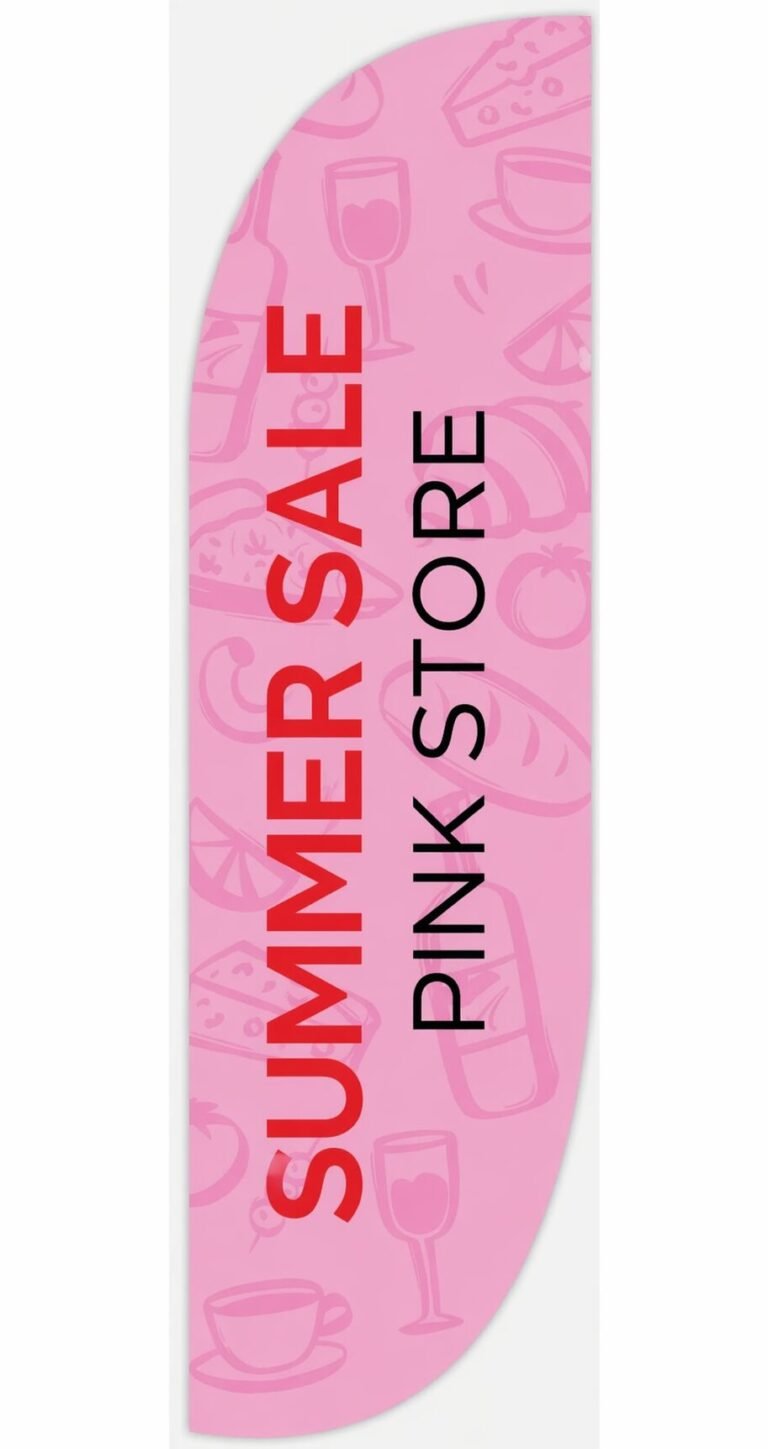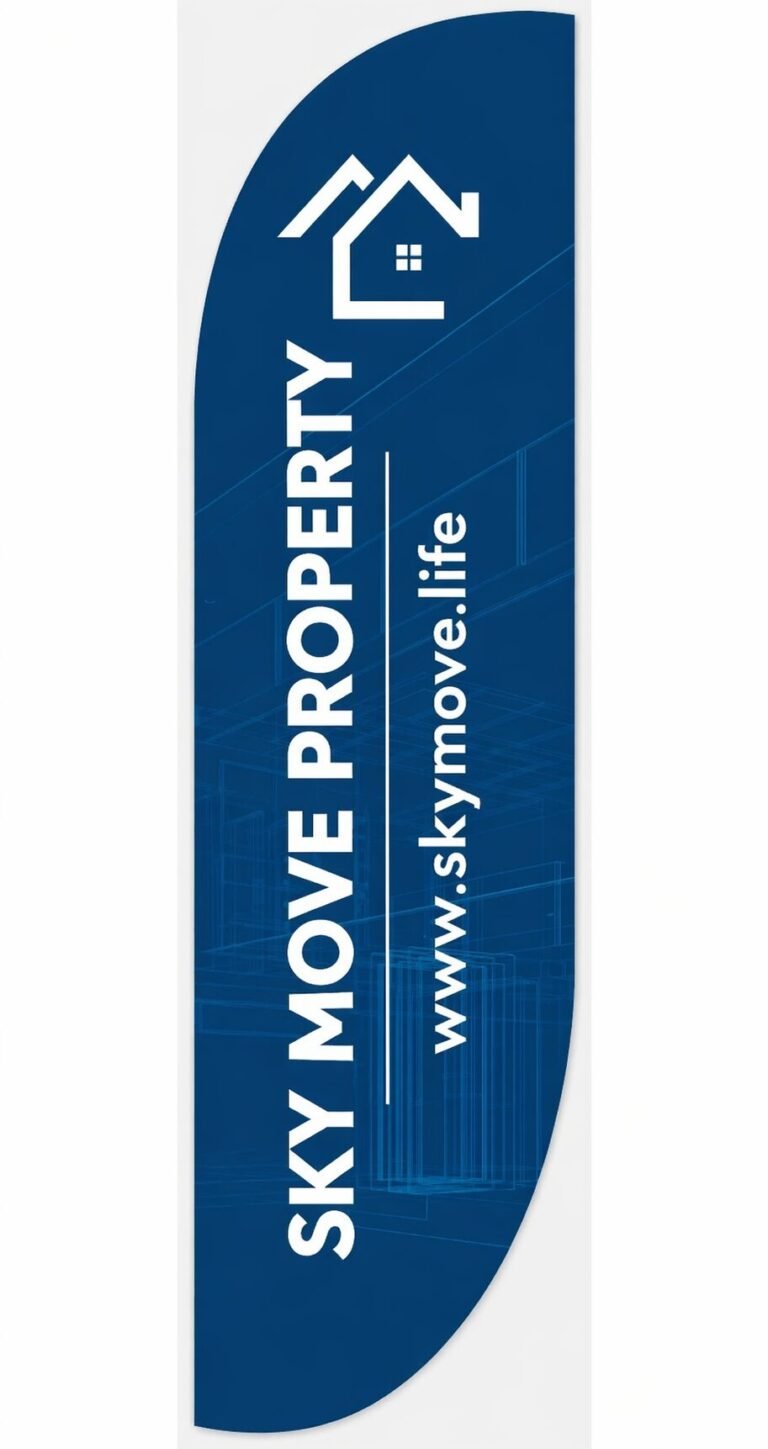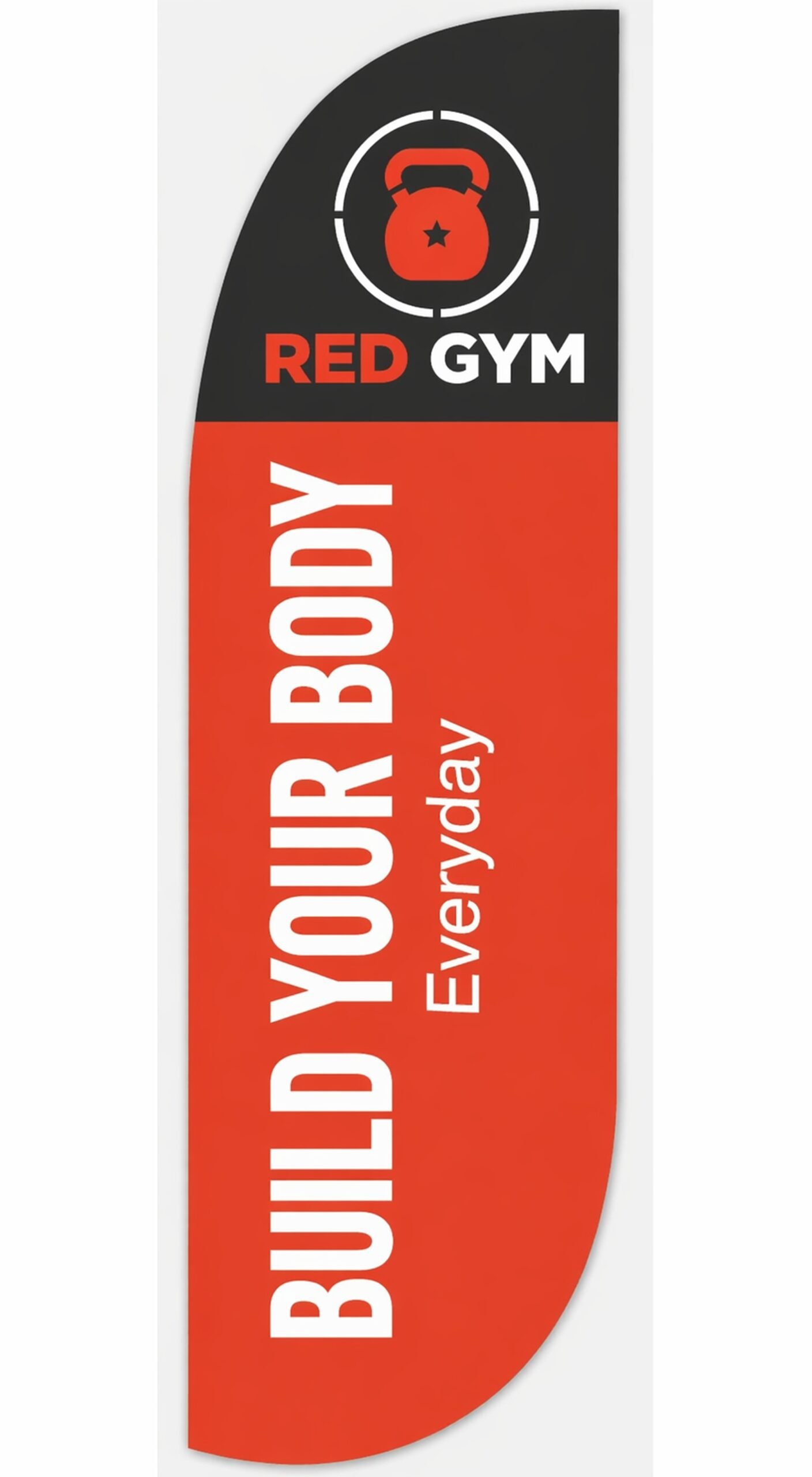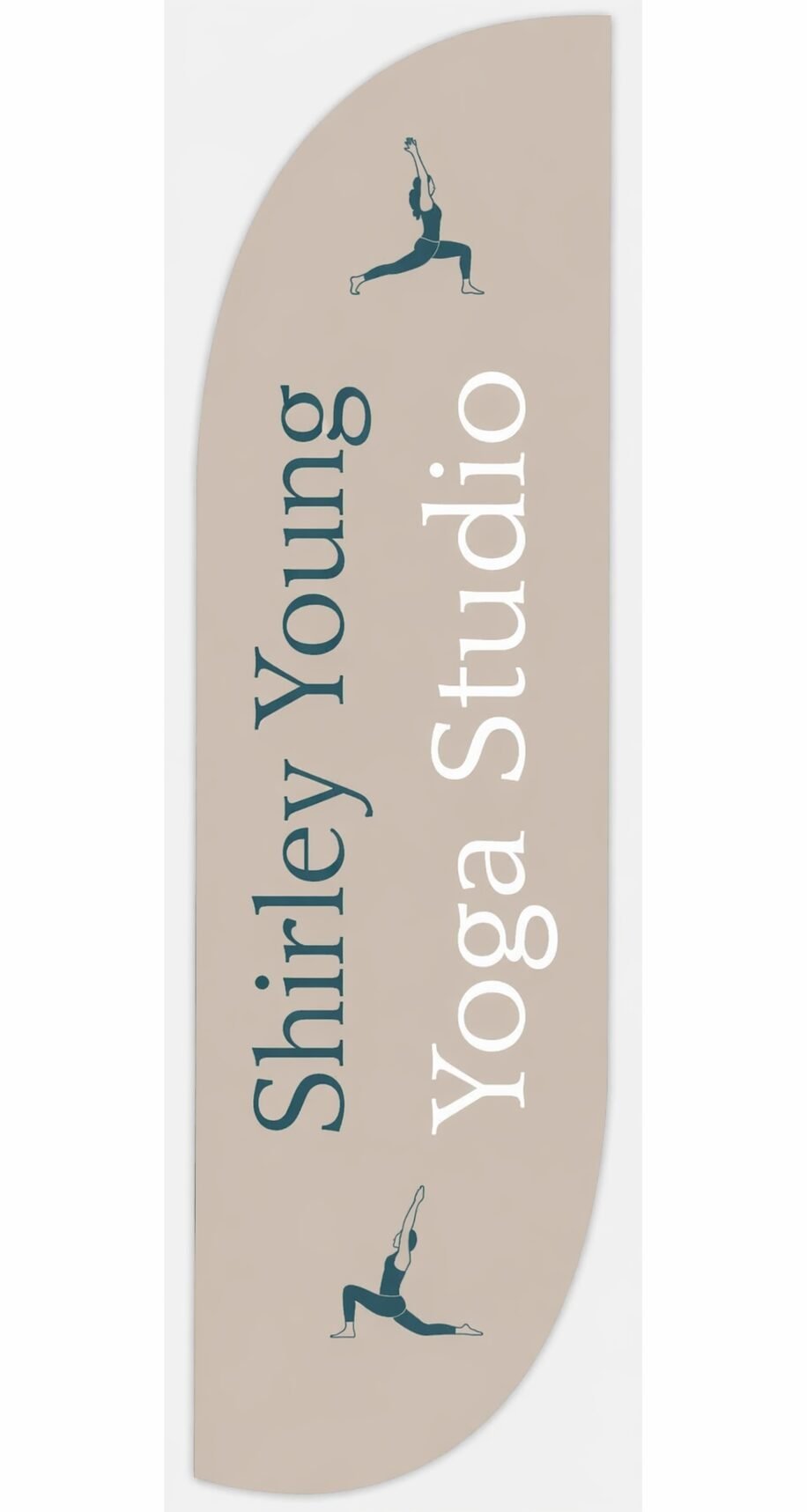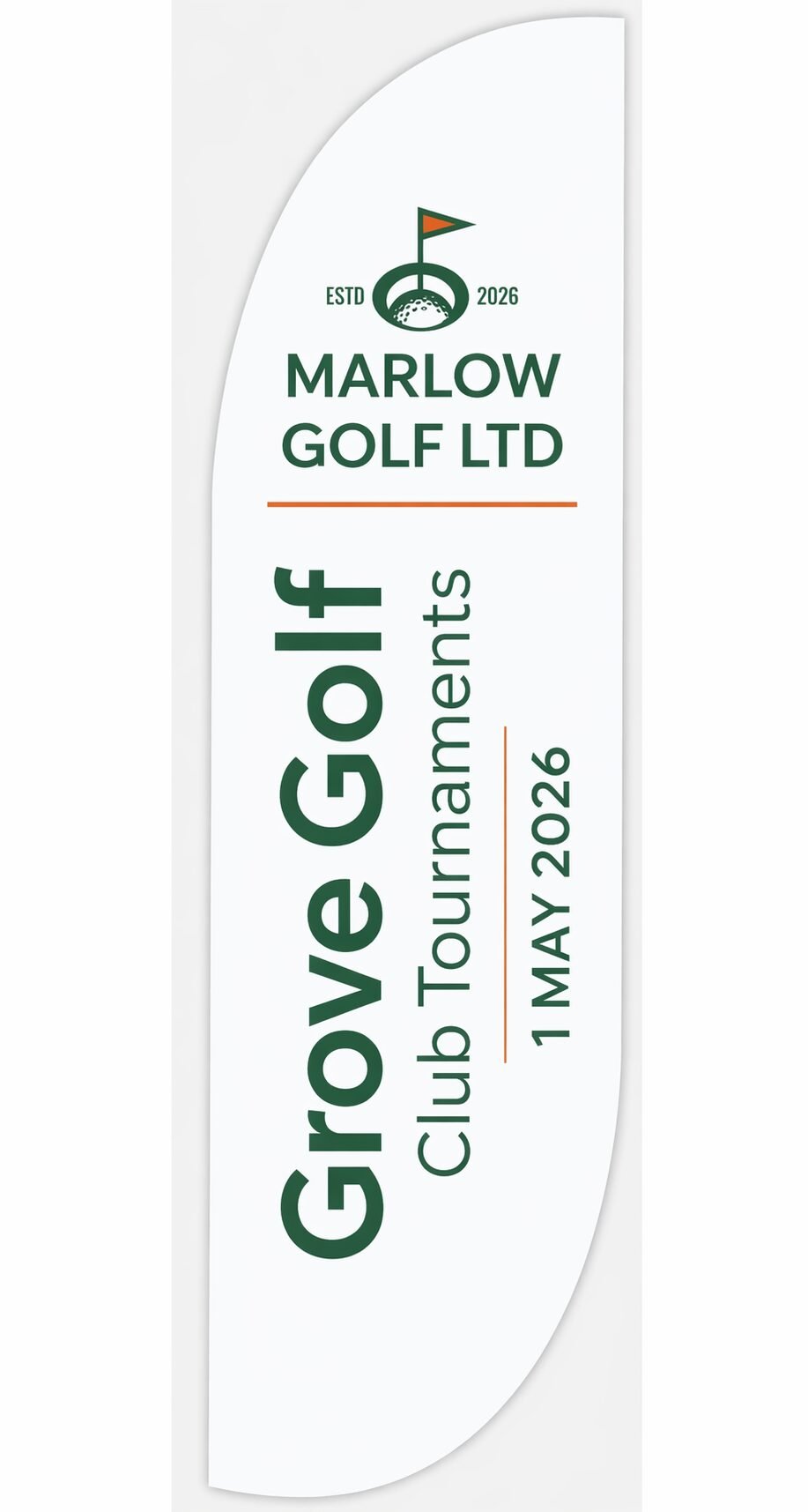
Feather Flag Design
Feather flags are primarily used as highly portable advertising and promotional tools to draw attention to businesses, brands, or events. They are popular because they are cost-effective, easy to assemble, and use natural movement to catch the eye. Most feather flags range in size from 2 metres up to roughly 5 metres in total height.
Common Uses
Feather flags are versatile tools suitable for both indoor and outdoor environments:
Retail & Business Storefronts: To announce sales, new product launches, or "open" status to passing drivers and pedestrians.
Events & Exhibitions: Used at trade shows, festivals, and sporting events for branding or as navigation prompts for visitors.
Special Locations: Frequently seen on car dealership forecourts, petrol stations, and at beaches or museums.
Why They Are Popular
Visual Movement: Unlike static billboards, feather flags flap and flutter in the breeze, which naturally triggers a primal urge for human eyes to look toward the movement.
Portability & Ease: They are lightweight and can be assembled in minutes. Most kits come with a carry bag and various base options for different ground types.
Affordability: Compared to traditional outdoor advertising like permanent signage or large-scale banners, feather flags are very cost-effective for small businesses.
Weather Resistance: High-quality versions are often made of durable knitted polyester that can withstand wind speeds up to 22–30 mph.
Typical Sizes
Most retailers offer feather flags in four main height categories:
Small (2.1m – 2.6m): Ideal for indoor venues with lower ceilings, market stalls, or sheltered outdoor spaces.
Medium (3.2m – 3.5m): The most popular choice for versatile use at open-air events or external venue signage.
Large (4.0m – 4.7m): Best for car parks, forecourts, and field events where high visibility is needed.
Extra Large (4.9m – 5.1m+): Designed for maximum roadside visibility and large-scale festivals to be seen above crowds.